The follow-up training course (FTC) on Reactor Engineering was successfully held and conducted at the Training Center of the Dalat Nuclear Research Institute (DNRI) from January 12 to 16, 2026. Over five consecutive days, the program brought together Japanese experts, DNRI instructors, and participants from universities, enterprises, and management agencies. The program aimed to update technical knowledge, enhance practical competencies, and promote system-oriented thinking, thereby establishing an essential foundation for human resources engaged in the development, construction, and operation of future nuclear power projects.
Against the backdrop of renewed global interest in nuclear power and Vietnam’s efforts to achieve its Net Zero commitment, the course attracted a large and diverse group of participants. In addition to representatives from universities including Ho Chi Minh City University of Technology, Da Nang University of Technology, University of Natural Science, Da Lat University, and Petroleum University, the program also welcomed participants from industry and management agencies. These included organizations from the oil, gas, and energy sector such as Petroleum Technical Services Corporation (PTSC) and Halliburton Vietnam; a management agency represented by the Dong Nai Provincial Department of Science and Technology; and vocational training institutions, including Ho Chi Minh City College of Electricity and the Petroleum College.
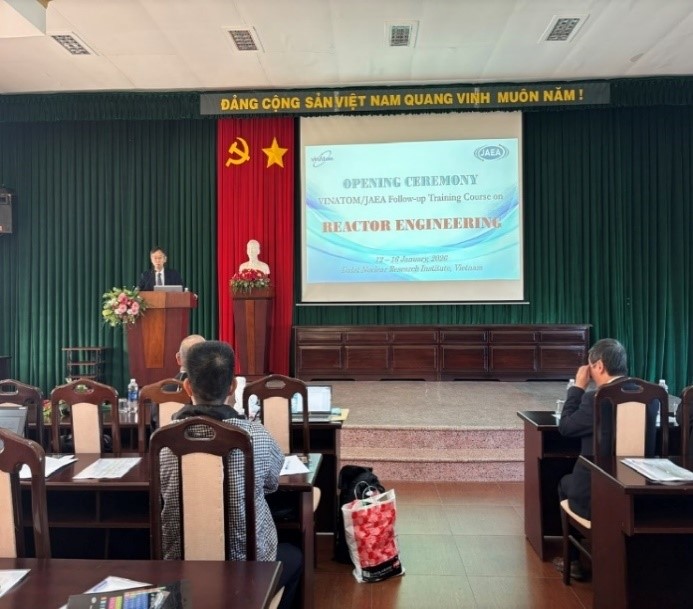
Speaking at the opening ceremony, Mr. Nguyen Kien Cuong, DNRI Deputy Director, emphasized that the growing interest in nuclear power requires systematic and rigorous training. He noted that the course provides an important opportunity to foster systems thinking, discipline, and an intense sense of responsibility for nuclear safety. He also encouraged participants to actively engage in discussions and share practical experiences, highlighting this exchange as a vital foundation for their long-term professional work at their respective organizations.
Dr. Kunihiko Nabeshima (right), a Japanese expert, and Dr. Nguyen Kien Cuong (left), DNRI Deputy Director, deliver opening remarks
Although the course lasted only five days, the Organizing Committee designed the program in accordance with internationally recognized reference frameworks, focusing on fundamental knowledge of nuclear reactors and nuclear power plants. The core contents of the course included:
1) Fundamentals of Reactor Engineering
- Reactor Physics and Kinetics: fundamental neutron interaction, fission chain, neutron moderation and diffusion, basic reactor theory, and characteristics of time-dependent neutrons behavior in nuclear reactor.
- Overview of light water reactors and experience in development and operation of existing light water reactors.
- Thermal Hydraulics: Heat transfer mechanisms, coolant flow behavior, and operational safety margins.
2) Advanced Fuel Engineering
- Fuel Engineering: Nuclear fuel design and management by Dr. Sadayuki Uchikawa.
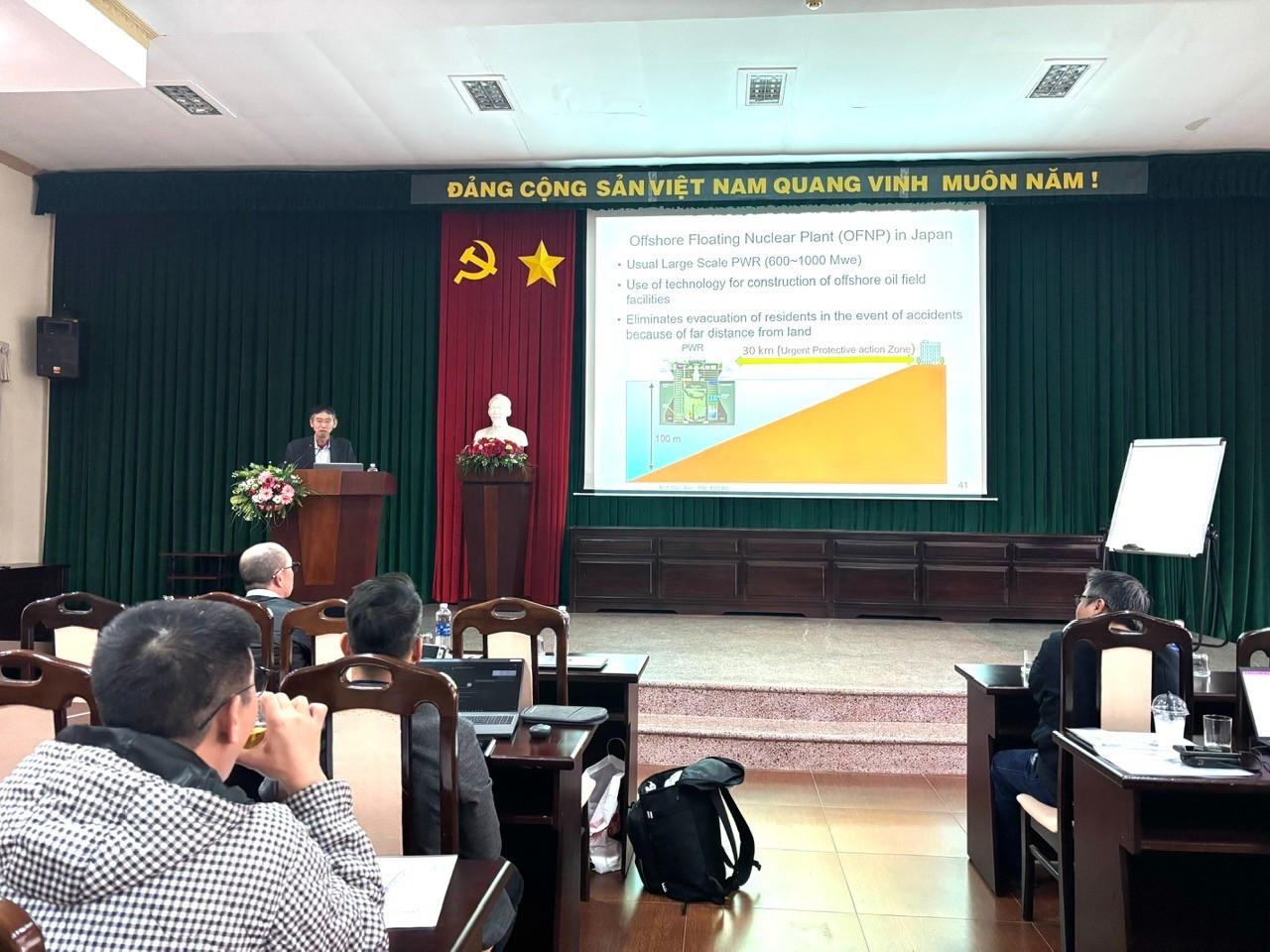
- Small Modular Reactors (SMRs): Emerging reactor technology and development trend by Dr. Kunihiko Nabeshima.
3) Nuclear Safety and Facility Life-Cycle Management
- Safety analysis and accident scenarios: Methodologies for safety assessment, accident analysis, mitigation measures, and emergency response.
- Radioactive Waste Management and Decommissioning: Integrated life-cycle management of reactor from operation to decommissioning.
4) Modelling and Simulation Exercises
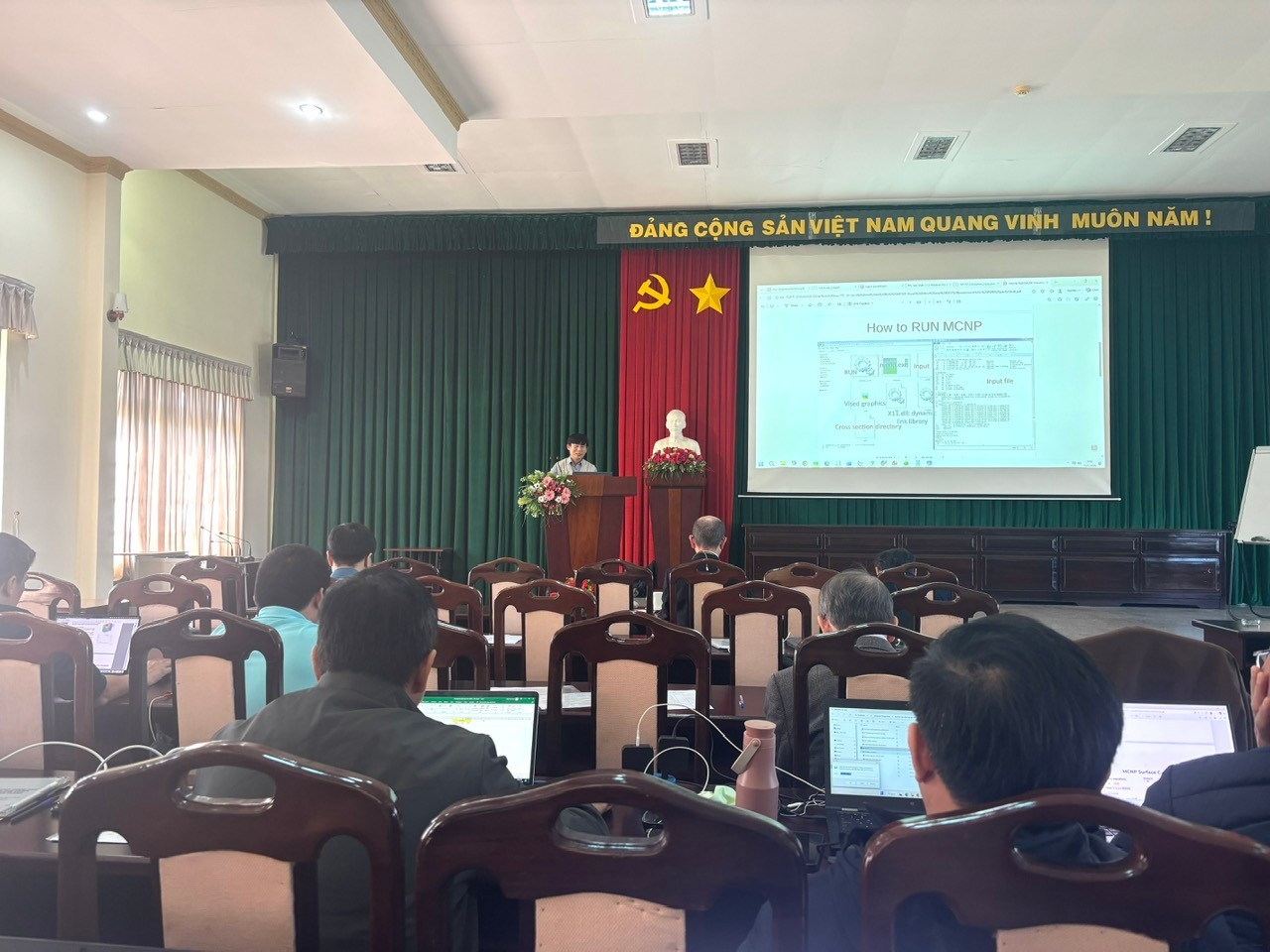
MCNP (Monte Carlo n-particle) computer code: Application of neutron transport calculations to evaluate reactor physics parameters and support reactor design, fuel and core management.
DNRI lecturers interact with participants
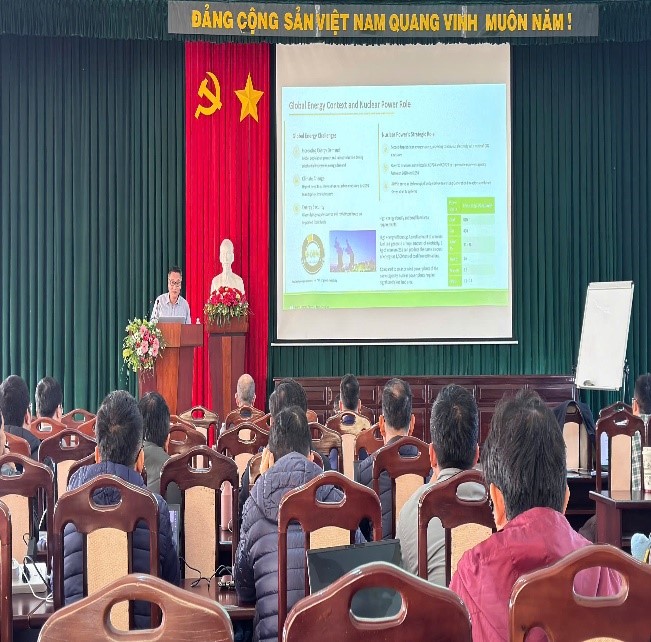
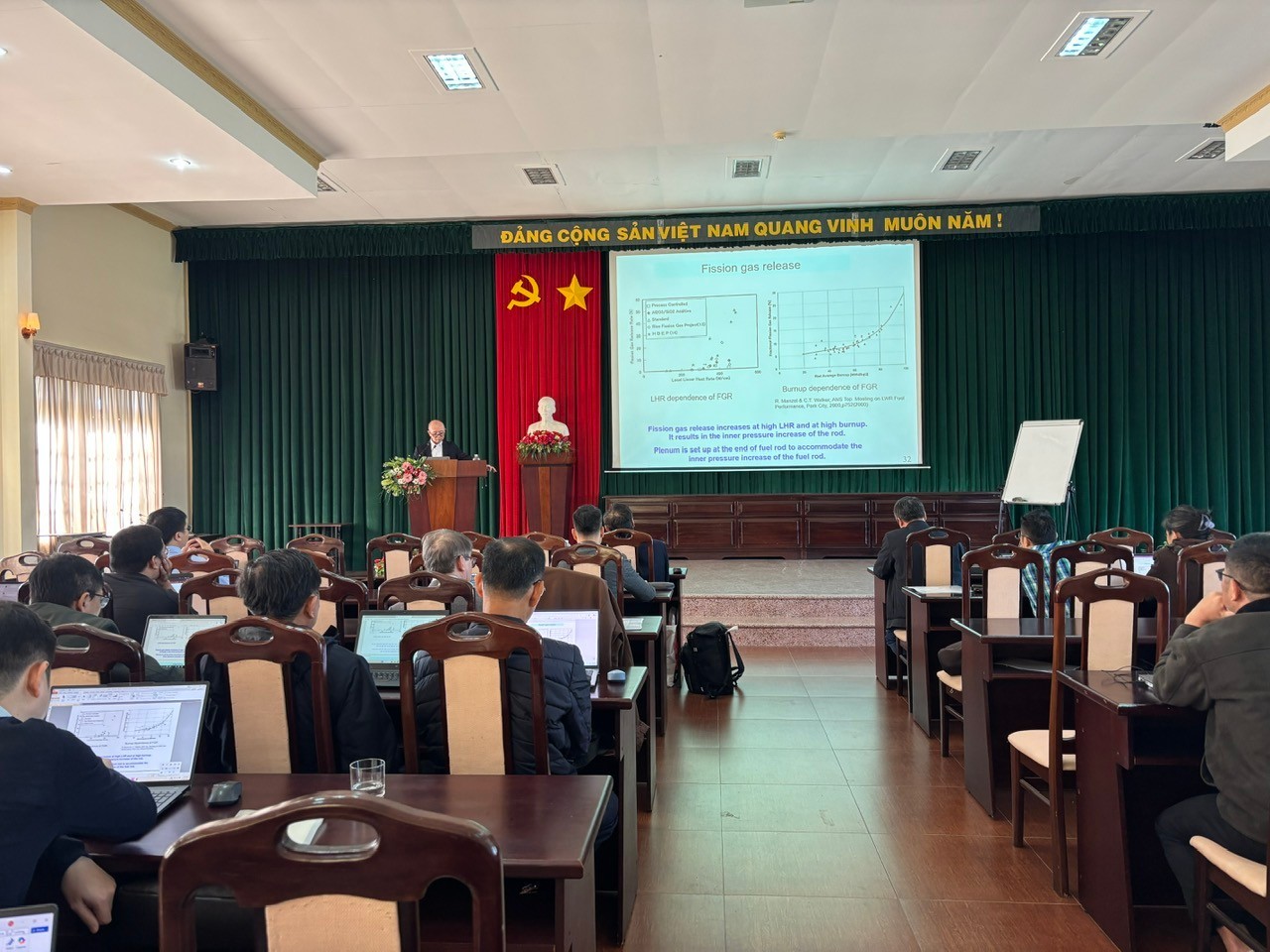
A key highlight of the course was the direct participation of Japanese experts in the teaching activities. Dr. Kunihiko Nabeshima and Dr. Sadayuki Uchikawa not only delivered specialized technical knowledge, instruction but also shared valuable practical experience in safety culture, which forms the foundation for discipline, operational standards, and the reliability of Japan’s nuclear industry.
Japanese experts deliver lectures
Throughout the course, the topics were delivered in a two-way, interactive format between lecturers and participants. Participants actively raised questions and shared practical cases from training, research, management, and technical work, thereby helping to clarify and connect the theoretical content. Through these exchanges, lecturers not only reinforced core knowledge but also shared implementation experience and international best practices, enabling participants to gain a deeper understanding of reactor technology and the stringent requirements for nuclear safety.
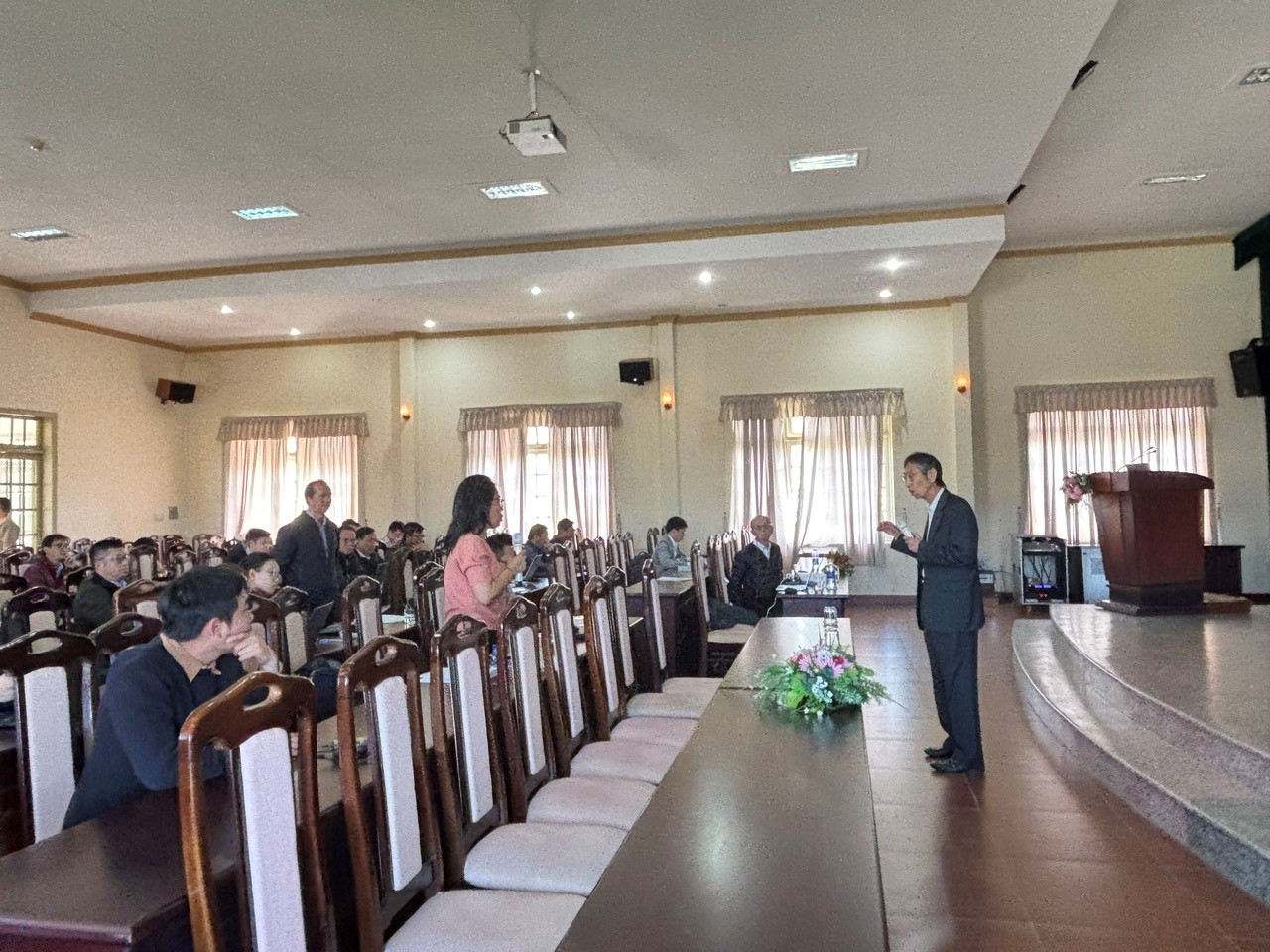
Exchanges between participants and Japanese experts
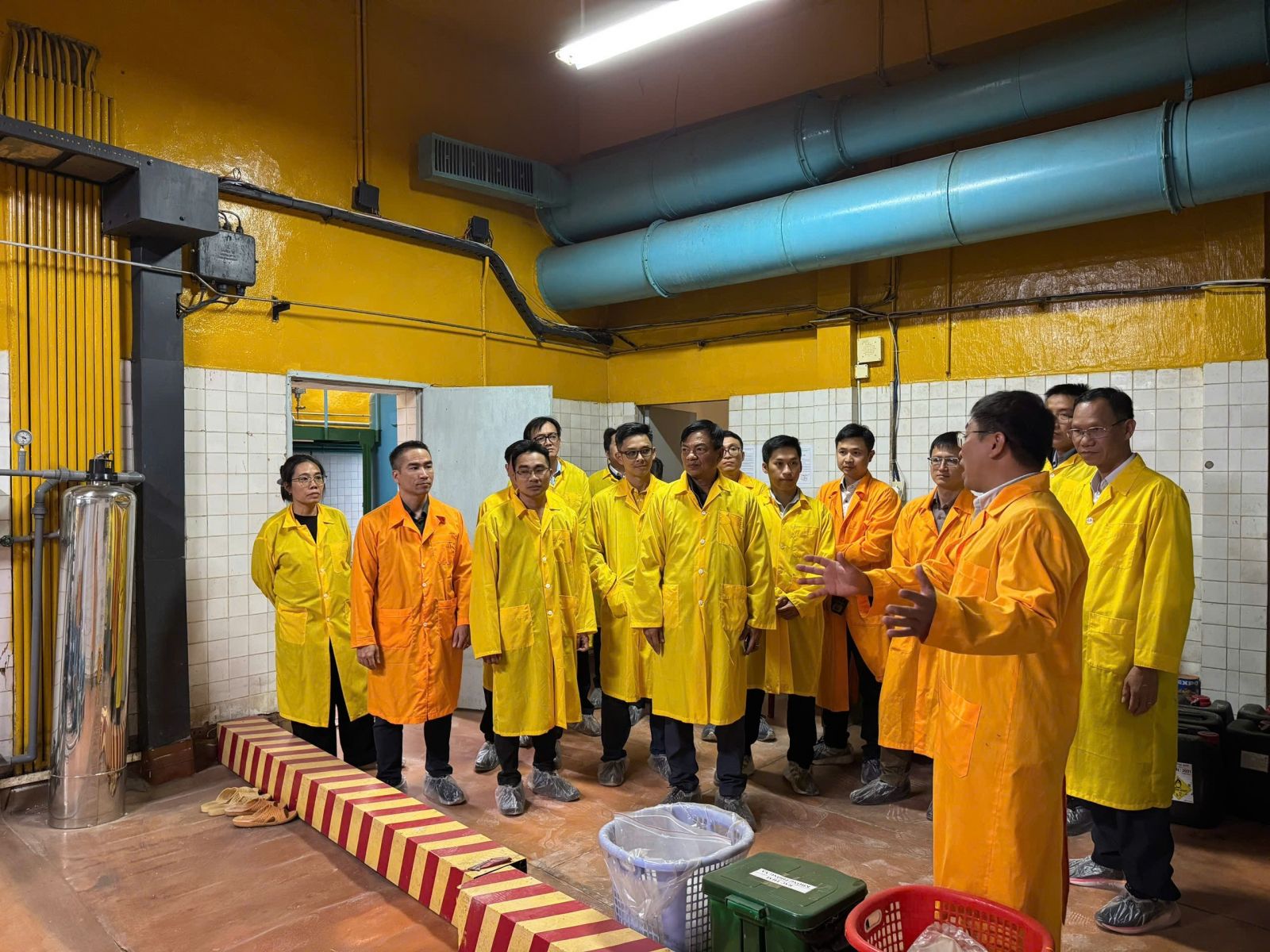
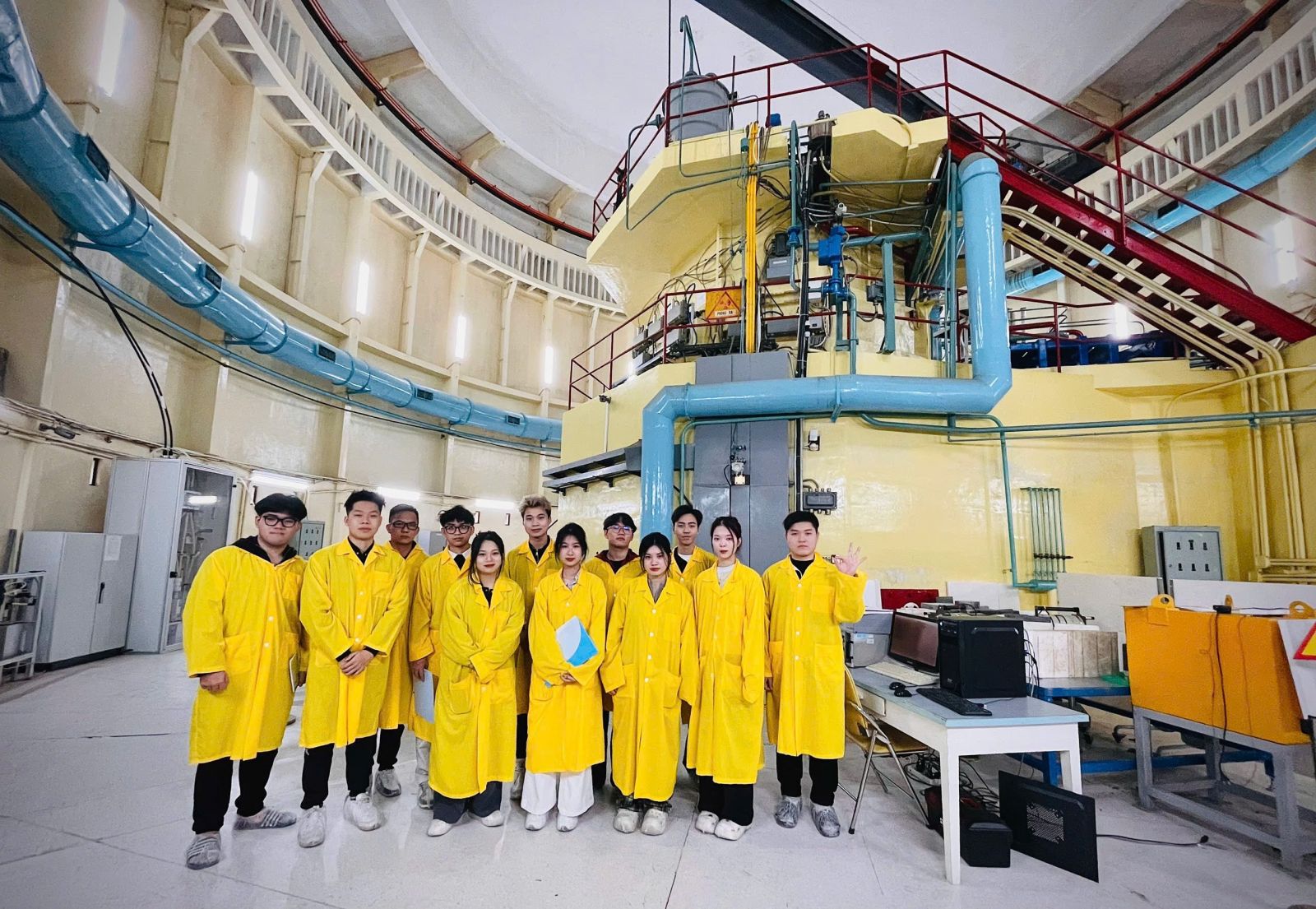
In addition to the academic program, participants had the opportunity to visit the Da Lat Nuclear Research Reactor, where they directly observed the operating environment, thereby strengthening the connection between theoretical knowledge and practical operation.
Speaking at the closing ceremony, Mr. Duong Quoc Huan from PTSC, representing the trainees, expressed his sincere appreciation to the DNRI, the Organizing Committee, and the instructors. He noted: “The course not only helped us update our knowledge but, more importantly, enabled us to revisit the core foundations of reactor technology from a more systematic and practical perspective. The sessions on nuclear safety, accident analysis, and emerging technological trends clearly highlight the responsibility of nuclear professionals both now and in the future. This is an in-depth and essential training course for those who are currently involved in, and will be involved in, this field.”
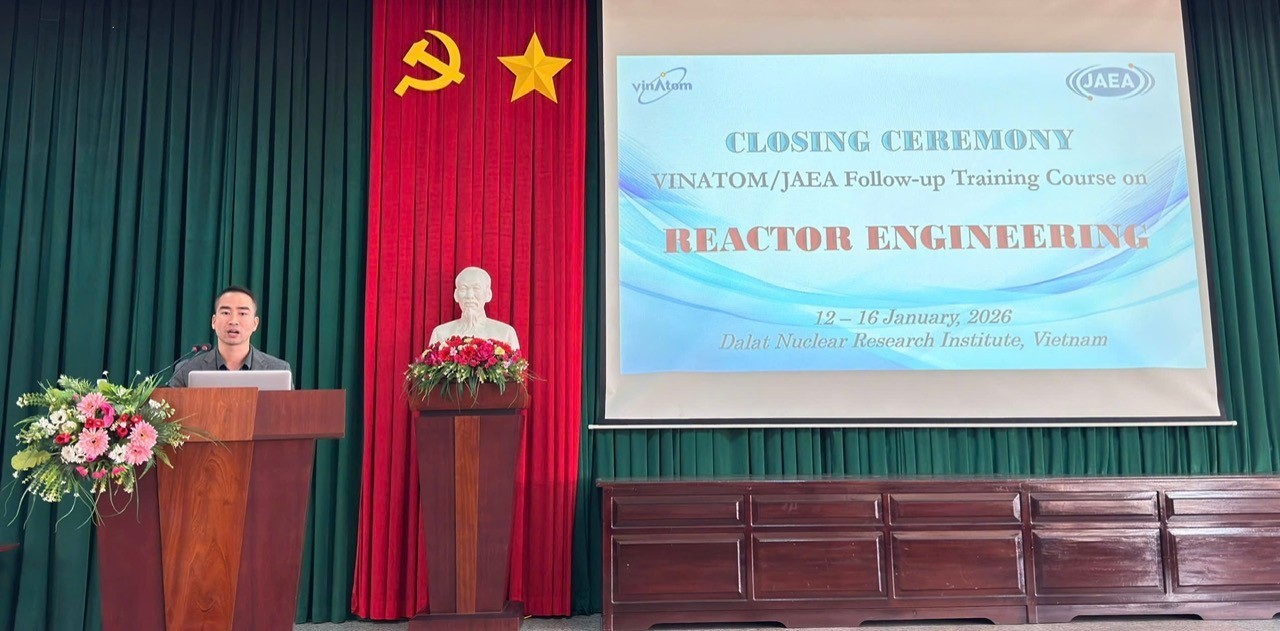
Mr. Duong Quoc Huan delivers remarks
Speaking at the closing ceremony, Mr. Kunihiko Nabeshima expressed his strong appreciation for the serious and open atmosphere of academic exchange throughout the course. He noted that the diversity of the participants’ professional backgrounds and positions, particularly the involvement of personnel from management agencies helped ensure that the training content was closely aligned with practical needs and contributed to shaping future priorities.
The success of the training course further reaffirmed the role of the DNRI in education and human resource development in the nuclear field, contributing to the country’s sustainable energy orientations.
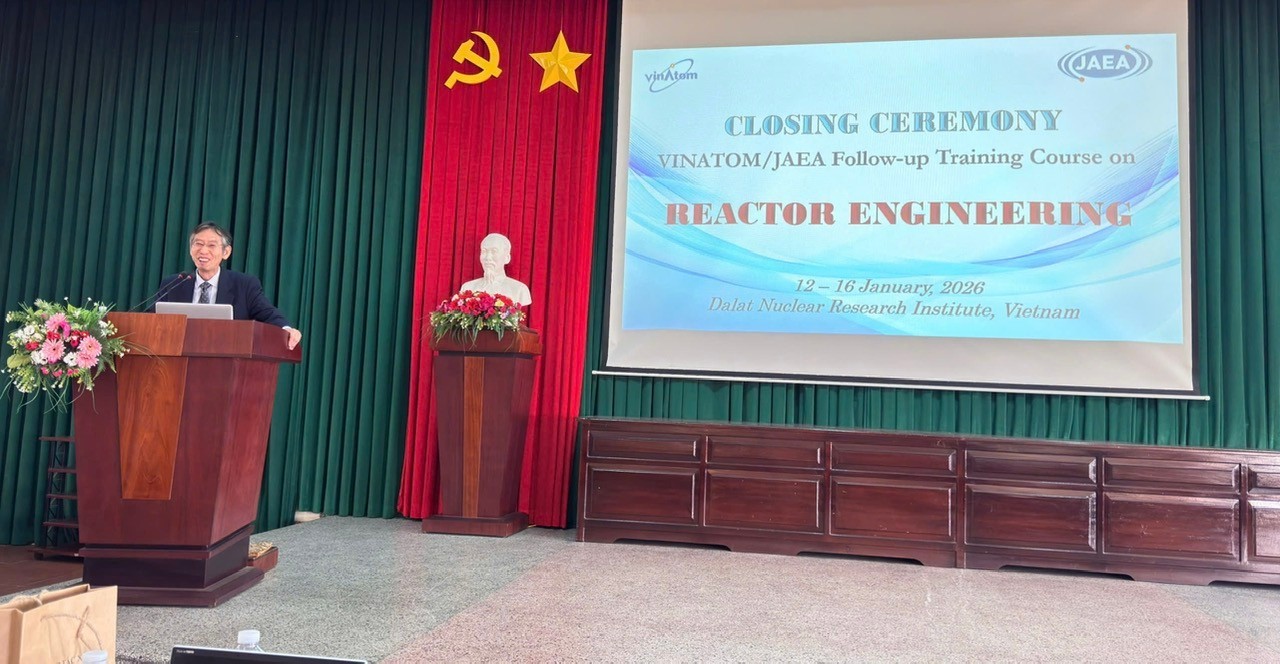
Mr. Kunihiko Nabeshima delivers the closing remarks
Additional Highlights from the Course
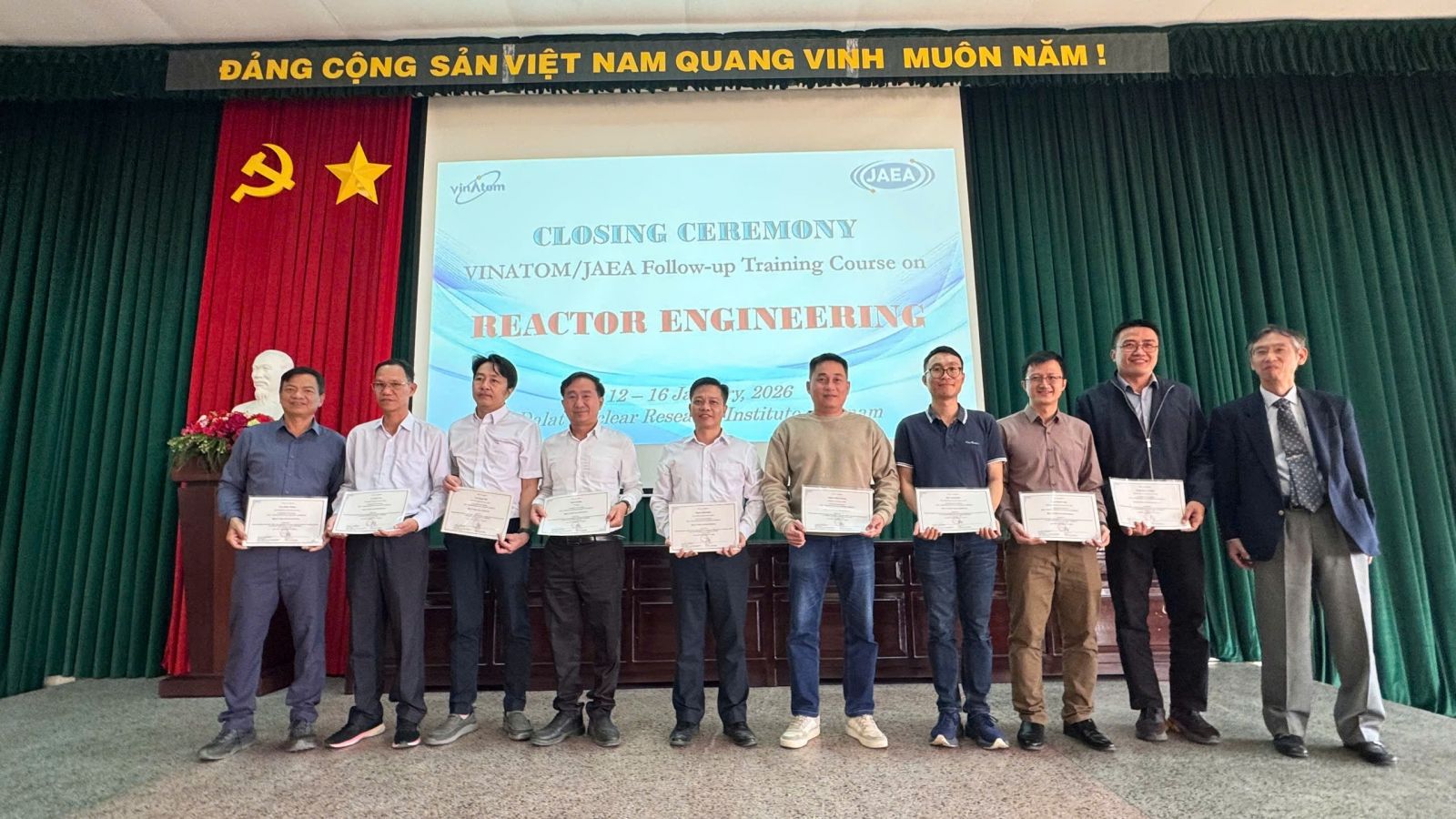
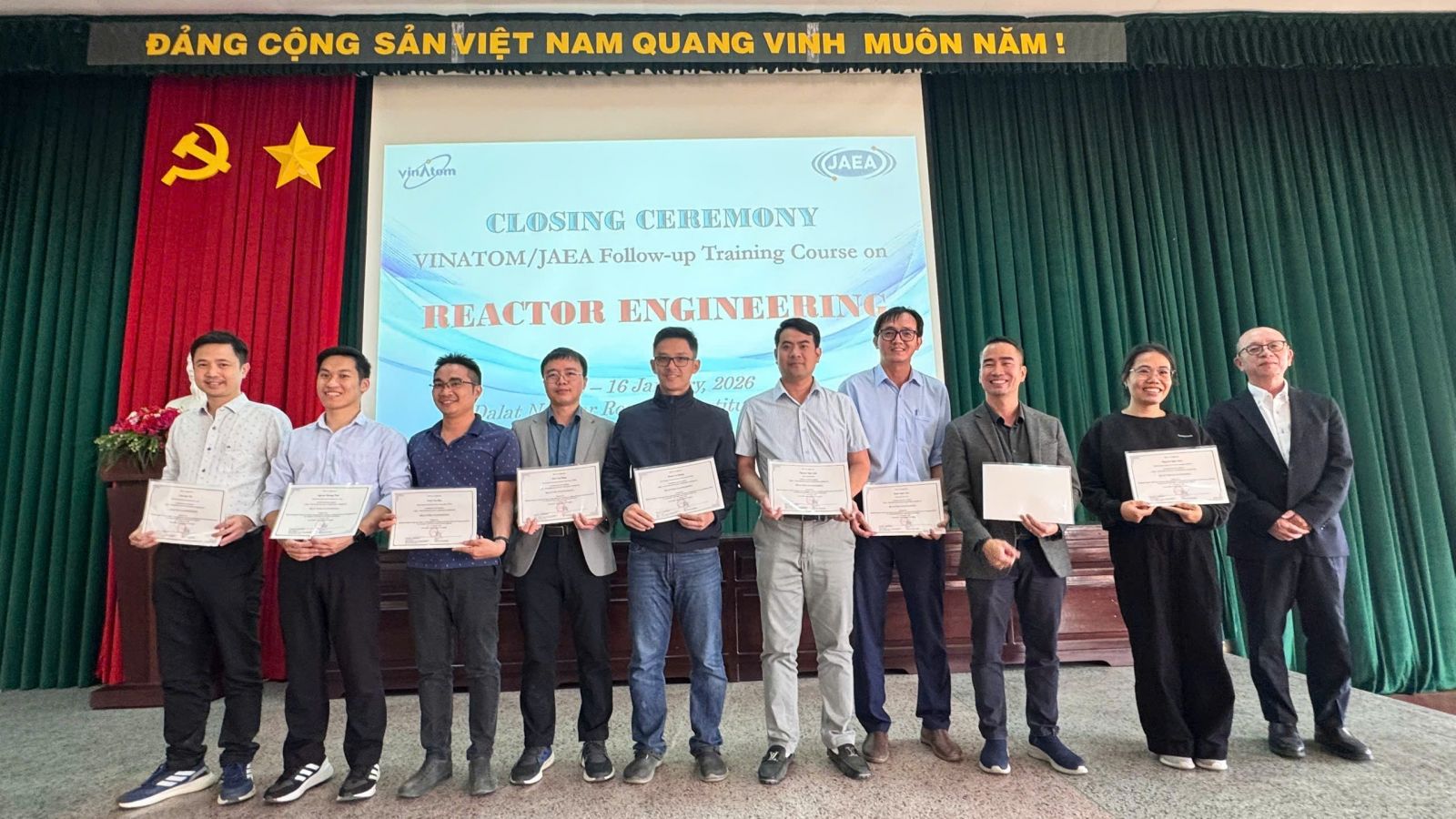
Participants receive course completion certificates
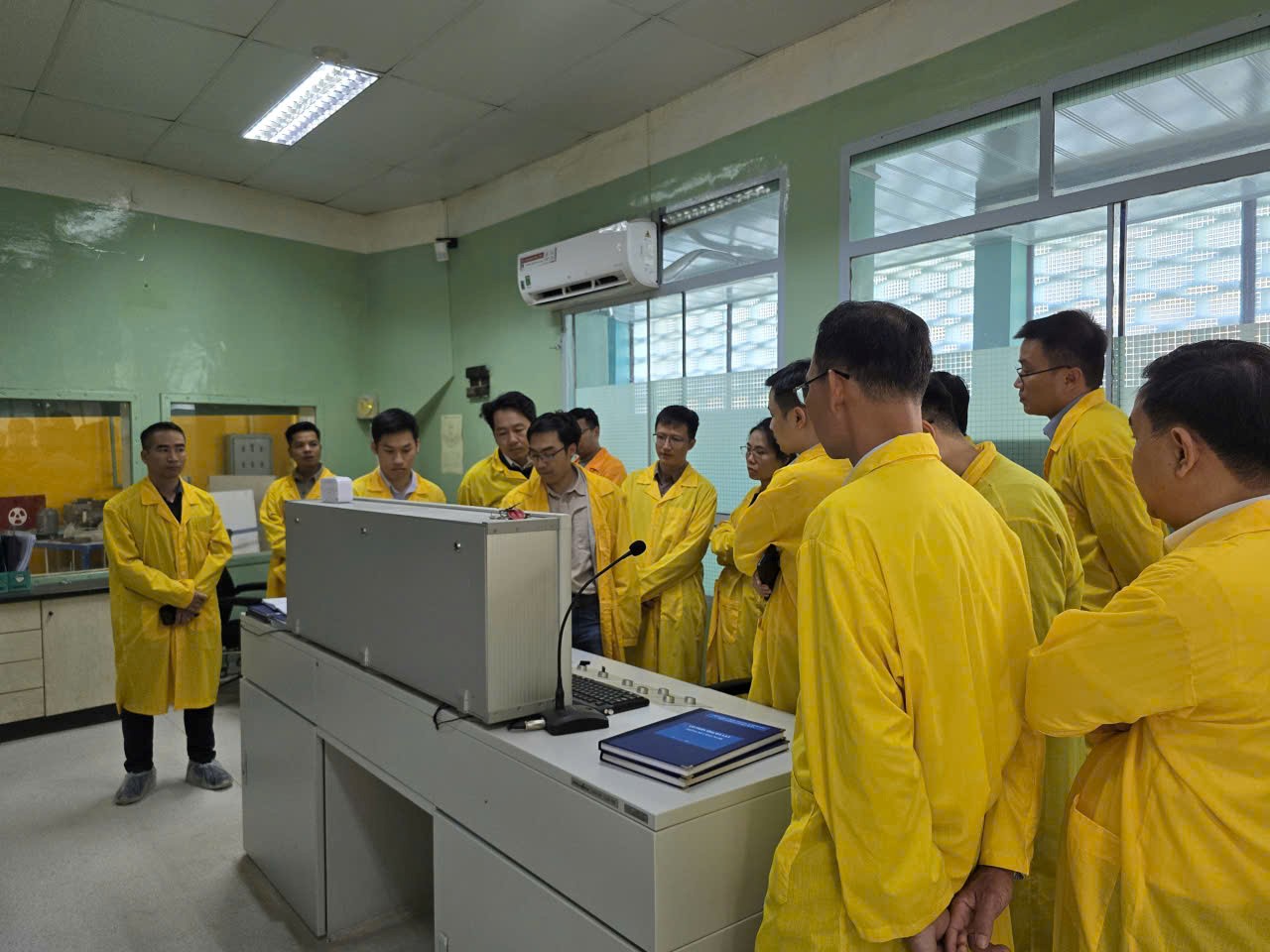
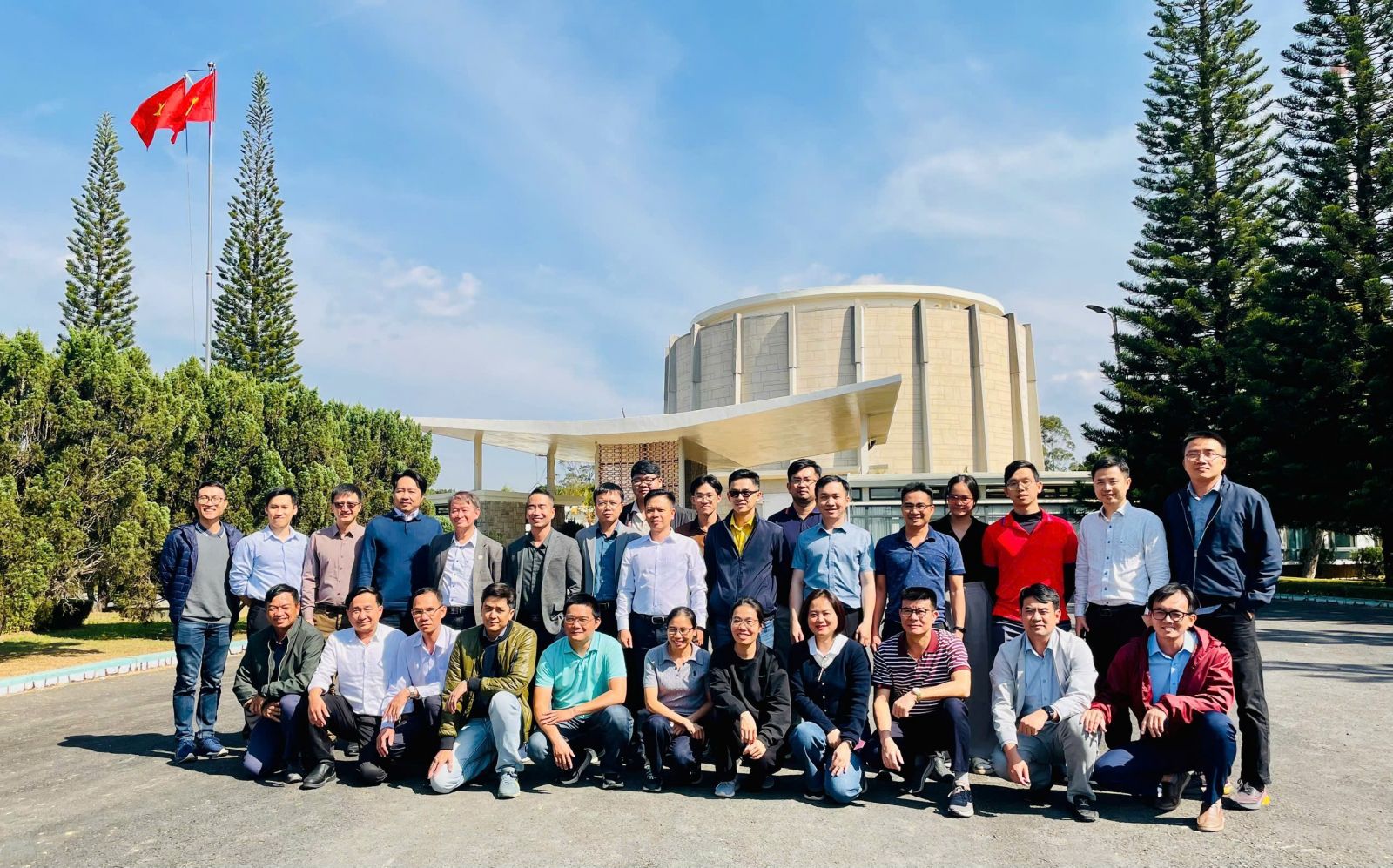
Participants visit the Dalat nuclear research reactor
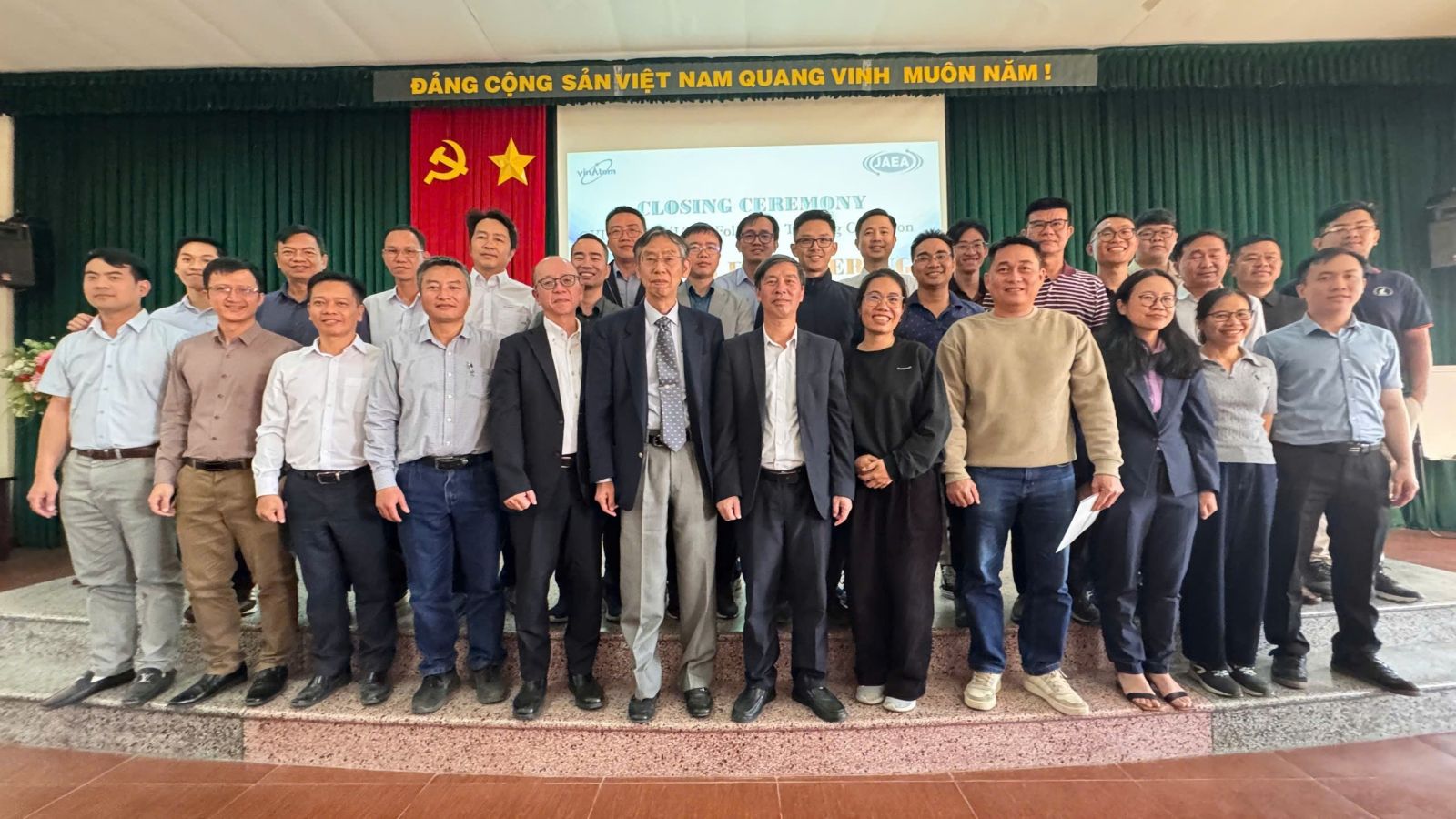
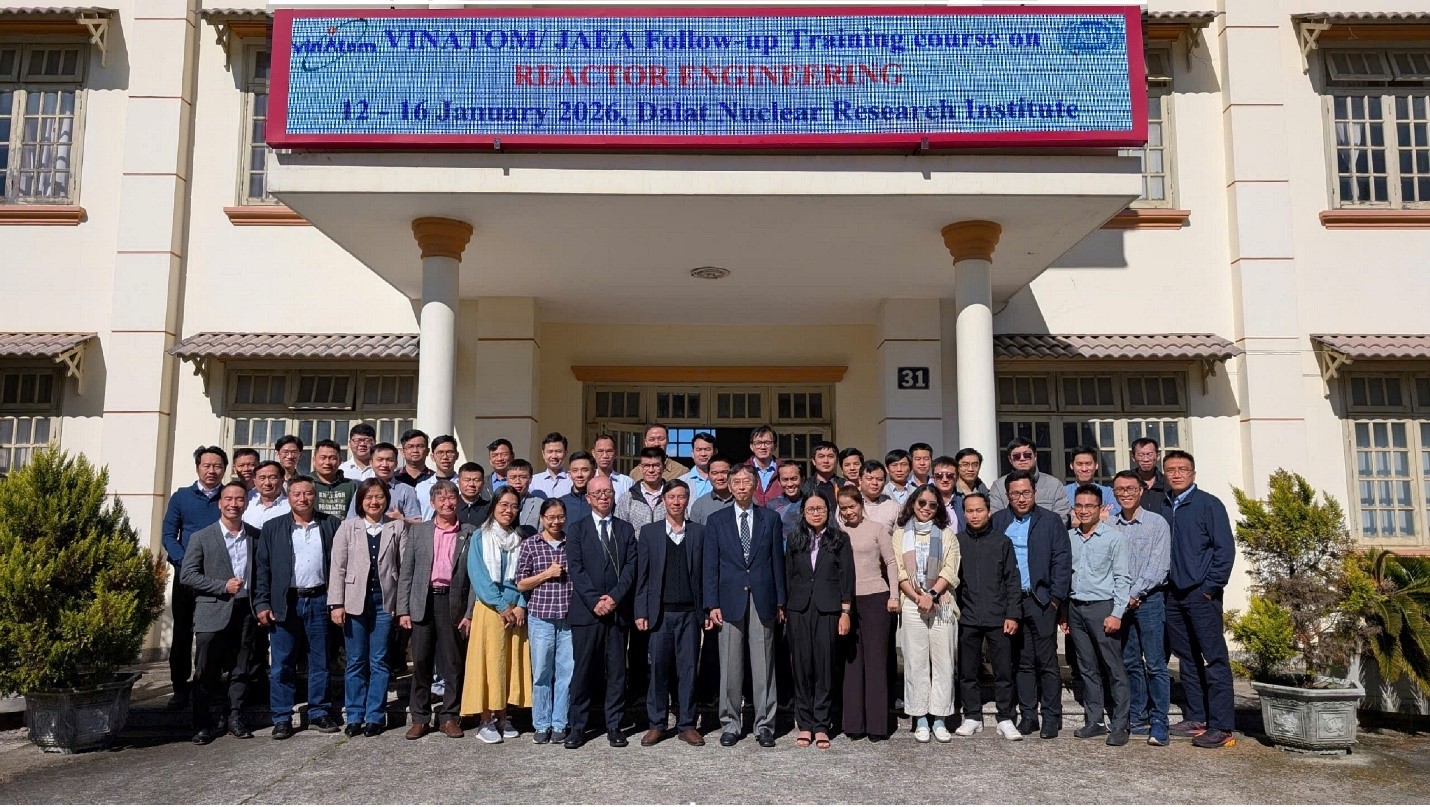
Participants and instructors pose for a commemorative photo
Translated by Le Van Ngoc
Source: Dalat Nuclear Research Institute


 Contrast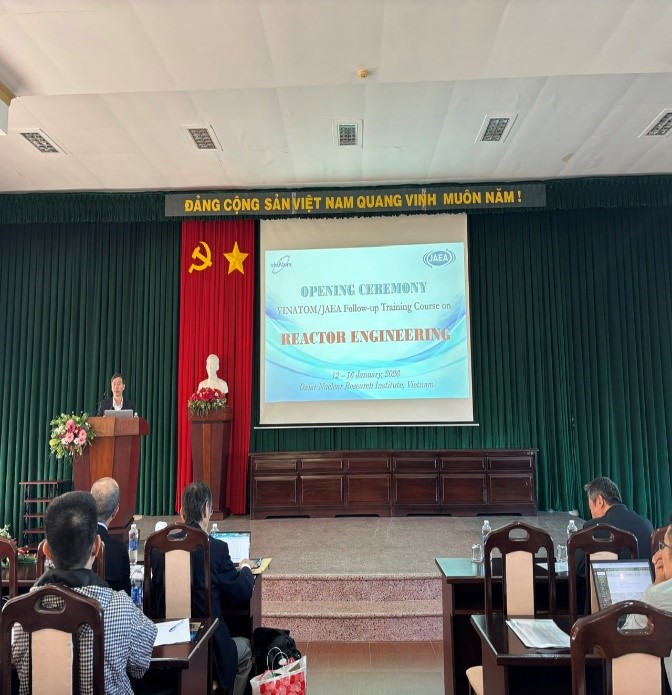
.jpg)